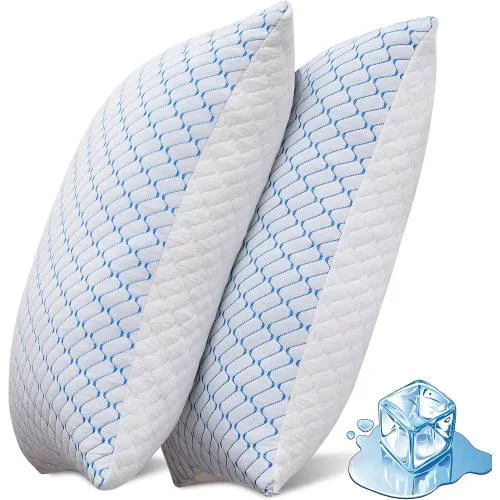

If you sleep on your side, your pillow has a bigger job than most. It needs to fill the space between your ear and the mattress so your head, neck and spine stay in a straight line. Too flat and your head tips down; too tall and it tilts up. Either way, you can wake up with a sore neck.
Height matters most
Side sleepers usually need a thicker pillow than back or stomach sleepers. The wider your shoulders, the more height you need. A quick test is to lie on your side and have someone check that your neck lines up with the rest of your spine.
Choose a pillow that holds its shape
A pillow that flattens during the night loses the height you chose it for. Medium-firm to firm options tend to keep their support until morning.
What's inside makes a difference
- Memory foam molds to your head and neck and keeps its height well. Look for a cooling cover if you sleep warm.
- Shredded foam lets you add or remove filling to get the height just right.
- Latex feels springier, lasts a long time and stays cooler than memory foam.
- Down and down-alternative are soft and light but often too flat for side sleeping without extra support.
Small habits that add comfort
- Place a slim pillow between your knees to keep your hips aligned.
- Rest your top arm on a second pillow so your shoulder doesn't roll forward.
- Choose breathable cotton sheets to stay cool through the night.
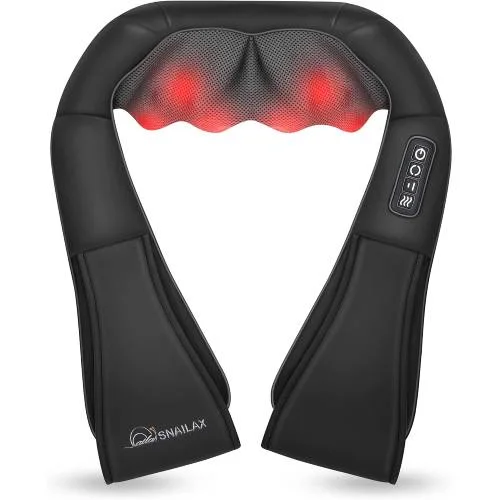
- A few minutes with a heated neck massager before bed can help you relax.
When to replace your pillow
Fold your pillow in half. If it doesn't spring back, or if it's lumpy or noticeably flatter than when you bought it, it's time for a new one. Most pillows last between one and three years.